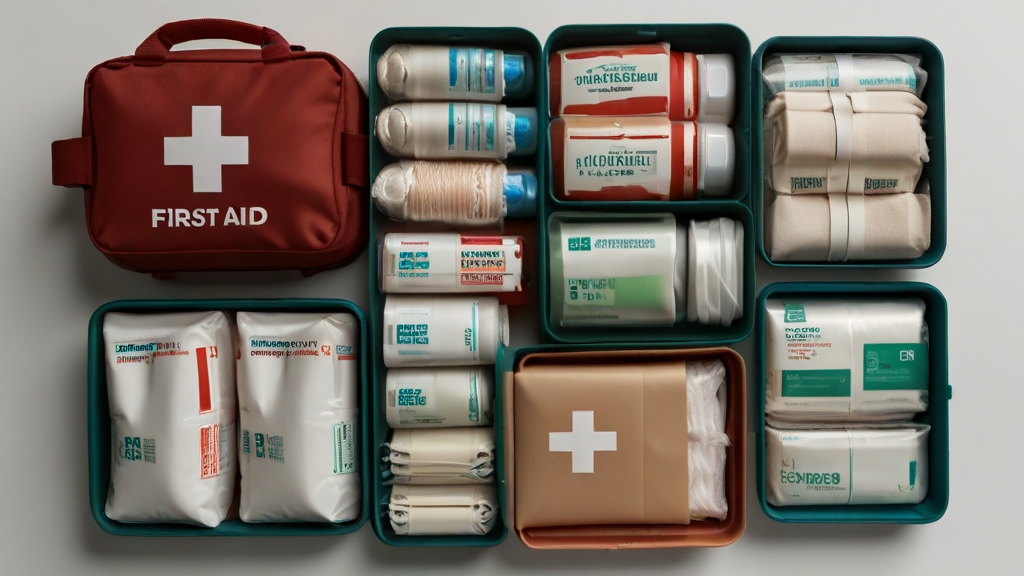
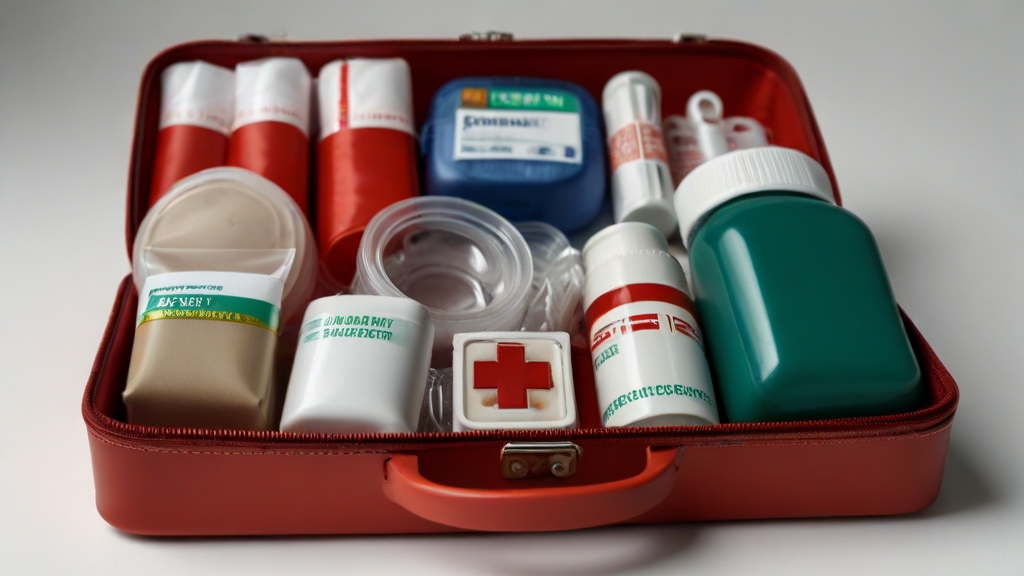
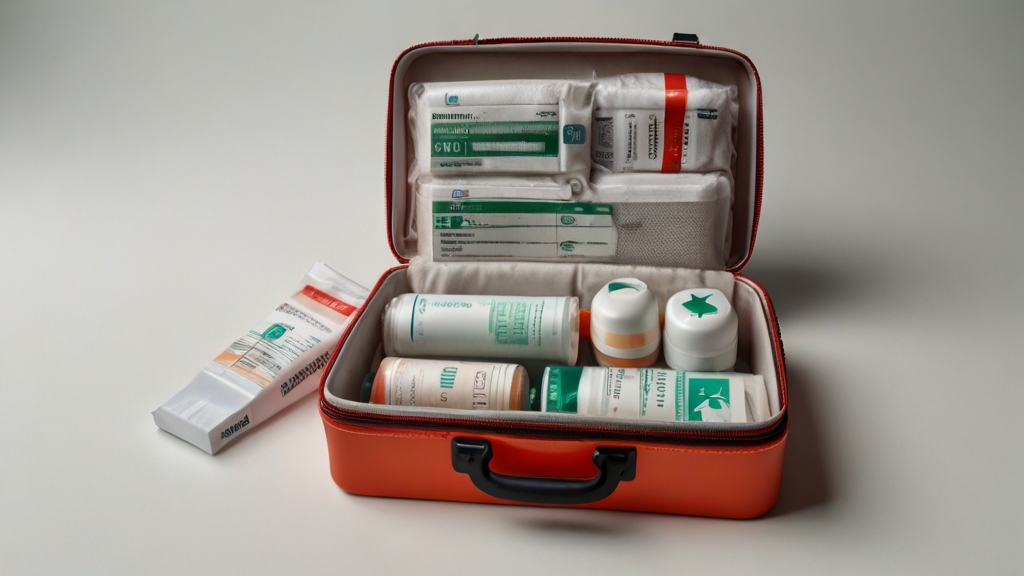
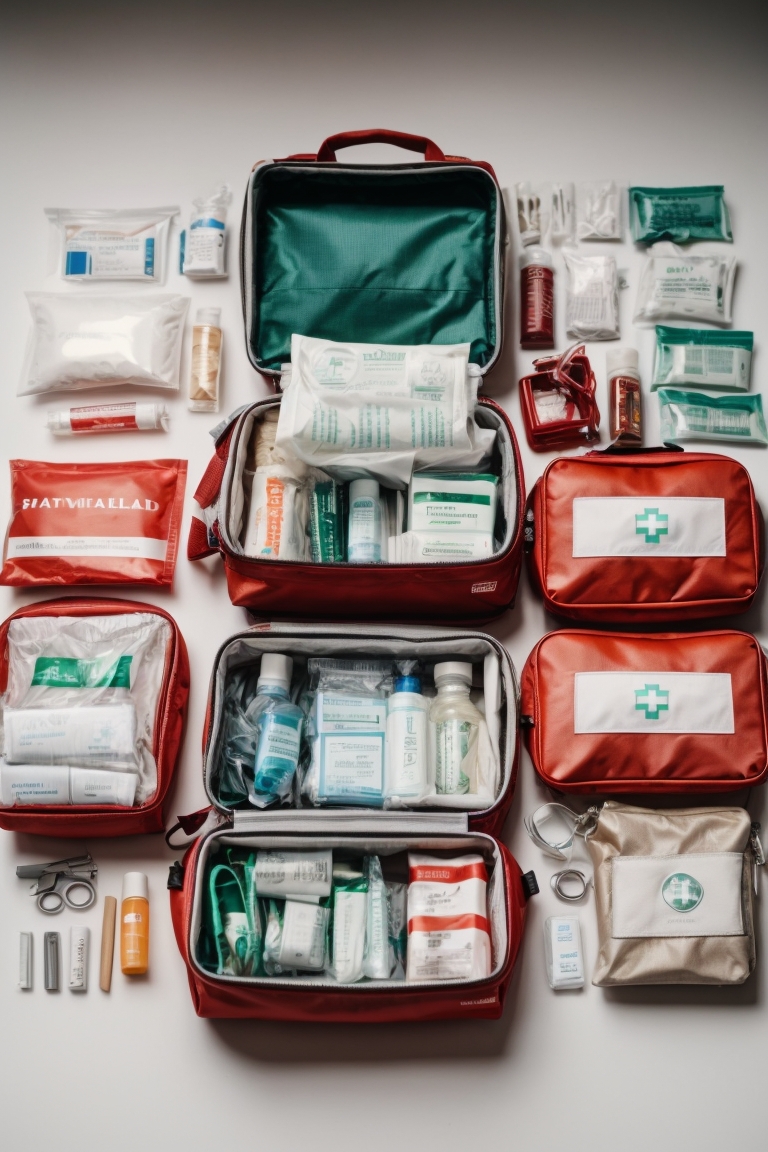
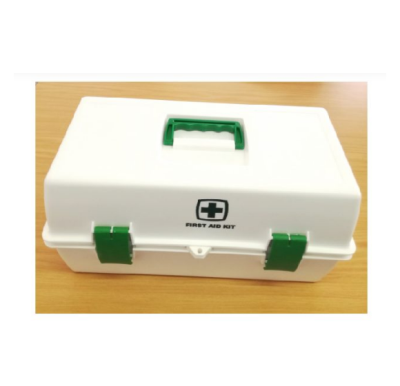
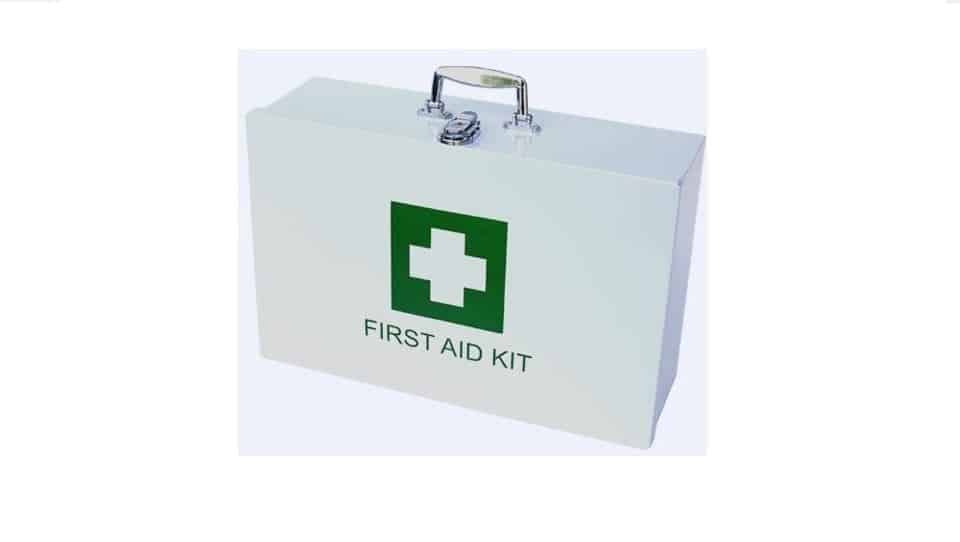
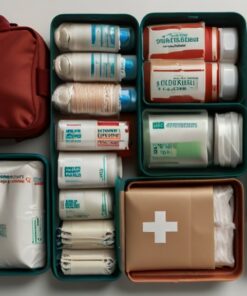
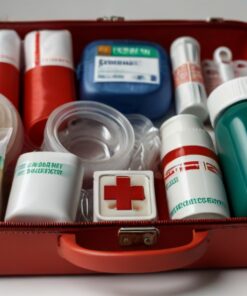
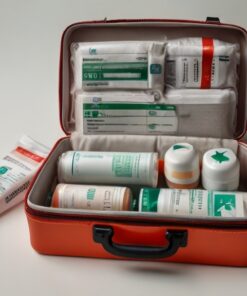
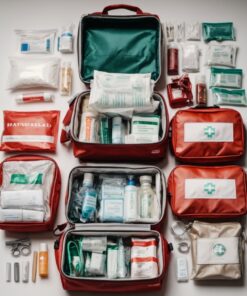
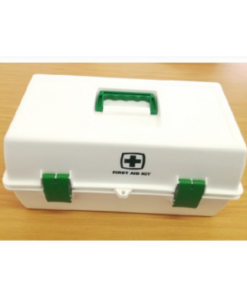
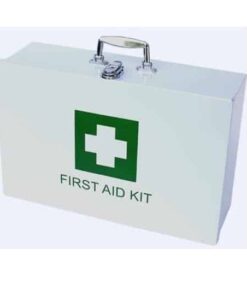
First aid kits are essential tools for providing immediate care in case of injuries or medical emergencies. They are designed to address minor injuries, stabilize more serious conditions until professional help arrives, and promote safety in various environments. Below is a breakdown of types of first aid kits and their uses :
1. General-Purpose First Aid Kits
Uses:
- Ideal for everyday use at home, in vehicles, or during travel.
- Suitable for treating minor injuries such as cuts, scrapes, burns, insect bites, and sprains.
Contents:
- Adhesive bandages (various sizes)
- Sterile gauze pads and rolls
- Antiseptic wipes or solution
- Tweezers and scissors
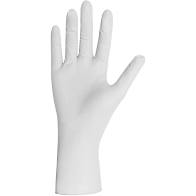
- Disposable gloves
- Elastic bandage (for sprains or strains)
- Pain relievers (e.g., ibuprofen or acetaminophen)
- Instant cold packs
- Thermometer
- CPR face shield or mask
2. Workplace First Aid Kits
Uses:
- Designed for offices, factories, construction sites, and other workplaces.
- Meets occupational health and safety regulations (e.g., OSHA standards in the U.S.).
- Used for treating minor workplace injuries like cuts, bruises, splinters, and eye irritations.
Contents:
- All items from a general-purpose kit
- Eye wash solution and eye cups
- Burn dressings and ointments
- Triangular bandages (for slings or immobilization)
- First aid manual
- Emergency blanket
- Splints (for fractures or sprains)
3. Travel First Aid Kits
Uses:
- Compact and portable, ideal for vacations, hiking, camping, or road trips.
- Addresses common travel-related issues like motion sickness, dehydration, blisters, and minor wounds.
Contents:
- All items from a general-purpose kit in smaller quantities
- Motion sickness tablets
- Antidiarrheal medication
- Electrolyte powder or rehydration salts
- Blister treatment (e.g., moleskin or blister pads)
- Insect repellent
- Mini flashlight or emergency whistle
4. Outdoor/Adventure First Aid Kits
Uses:
- Specifically designed for outdoor activities like hiking, camping, climbing, or fishing.
- Equipped to handle injuries in remote locations where professional help may not be immediately available.
Contents:
- All items from a travel first aid kit
- Tourniquet (for severe bleeding)
- SAM splint (flexible aluminum splint for fractures)
- Snake bite kit (if applicable to the region)
- Water purification tablets
- Duct tape (for temporary repairs or securing bandages)
- Comprehensive first aid guide for wilderness situations
5. Sports First Aid Kits
Uses:
- Tailored for athletes, coaches, and sports teams.
- Focuses on treating common sports injuries like sprains, strains, bruises, and blisters.
Contents:
- All items from a general-purpose kit
- Instant cold packs
- Compression wraps
- Sports tape and pre-wrap
- Blister treatment products
- Hydrocortisone cream (for rashes or irritation)
- Anti-inflammatory medication (e.g., ibuprofen)
6. Vehicle First Aid Kits
Uses:
- Designed for use in cars, trucks, or motorcycles.
- Provides essential supplies for roadside emergencies or accidents.
Contents:
- All items from a general-purpose kit
- Reflective warning triangle or vest
- Emergency blanket
- Seatbelt cutter and window breaker tool
- Flashlight with extra batteries
- Tire repair kit (optional)
7. Specialized Medical First Aid Kits
Uses:
- For individuals with specific medical conditions (e.g., diabetes, allergies, asthma, or heart conditions).
- Ensures access to life-saving medications and equipment.
Contents:
- Medication-specific items (e.g., insulin, epinephrine auto-injectors, inhalers)
- Blood glucose monitor (for diabetics)
- Allergy relief medication (e.g., antihistamines)
- Stethoscope and blood pressure monitor (for advanced kits)
- Medical alert card or bracelet
8. Industrial/Heavy-Duty First Aid Kits
Uses:
- Designed for high-risk environments like construction sites, manufacturing plants, or mining operations.
- Equipped to handle more severe injuries, including lacerations, fractures, and chemical burns.
Contents:
- All items from a workplace first aid kit
- Burn gel or hydrogel dressings
- Eye wash station (portable)
- Chemical-resistant gloves
- Trauma dressings and tourniquets
- Suction devices (for airway management)
9. School First Aid Kits
Uses:
- Tailored for schools and educational institutions.
- Focuses on treating minor injuries that children might sustain during recess, sports, or classroom activities.
Contents:
- All items from a general-purpose kit
- Child-safe scissors
- Age-appropriate pain relievers
- Ice packs
- Lice comb (optional)
- Consent forms for administering first aid
10. Disaster/Emergency First Aid Kits
Uses:
- Designed for natural disasters, pandemics, or large-scale emergencies.
- Provides extended care when medical facilities may be overwhelmed or inaccessible.
Contents:
- All items from an outdoor/adventure first aid kit
- Multi-day supply of medications
- N95 masks and hand sanitizer
- Water purification system
- Solar-powered flashlight or radio
- Emergency food and water pouches
Key Considerations When Choosing a First Aid Kit
- Environment: Choose a kit suited to your location or activity (home, workplace, outdoors, etc.).
- Number of People: Ensure the kit has enough supplies for the number of people it will serve.
- Regulations: Check local laws or workplace requirements for mandatory contents.
- Customization: Add personal medications, allergy treatments, or specialized items as needed.
- Regular Updates: Replace expired items and restock used supplies regularly.
Boxed Answer:
{Types of first aid kits include general-purpose, workplace, travel, outdoor/adventure, sports, vehicle, specialized medical, industrial/he