

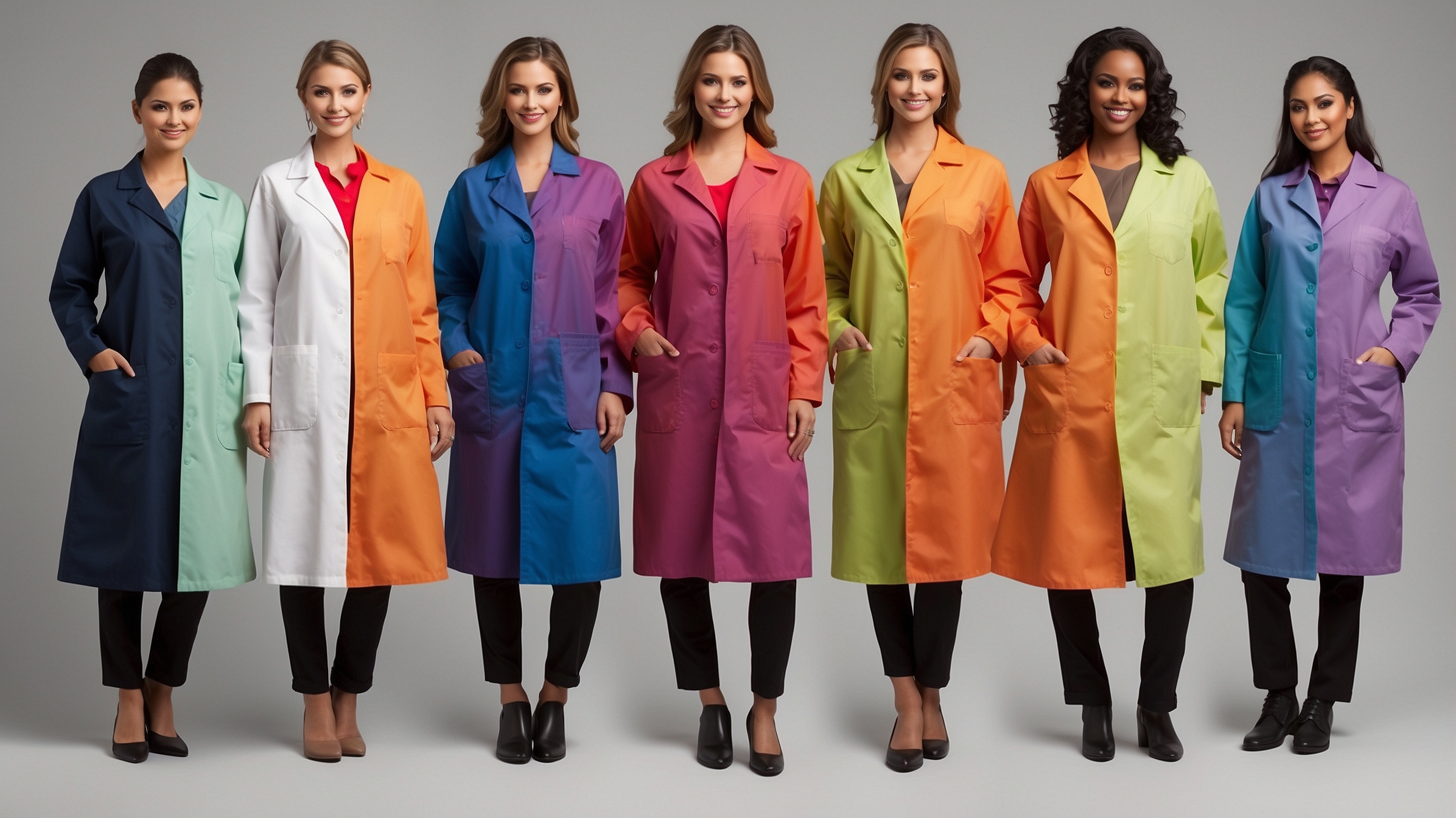





















acid resistant lab jackets


R370.00 Ex VAT
Lab coats are essential pieces of protective clothing used in various fields like science, healthcare, and industry. They are designed to provide protection, comfort, and a professional appearance. Here’s a breakdown of types and uses of lab coats:
Types of Lab Coats:
-
Traditional Lab Coat
-
Material: Often made from cotton, polyester-cotton blends, or sometimes wool.
-
Features: Long sleeves, knee-length or mid-thigh, with a button-up front. They typically have pockets for holding pens, notes, and small tools.
-
Uses: Common in general laboratory settings (chemistry, biology, etc.). Ideal for protecting against non-hazardous materials.
-
-
Flame-Resistant (FR) Lab Coat
-
Material: Made from flame-resistant fabrics like Nomex or other treated fabrics.
-
Features: Often has reflective strips for visibility and is designed to protect against heat and flames.
-
Uses: Used in environments where the risk of exposure to fire or high heat exists (e.g., chemical labs, engineering, and welding).
-
-
Chemical-Resistant Lab Coat
-
Material: Made from synthetic materials like PVC, neoprene, or Teflon.
-
Features: Resistant to chemical spills and splashes, usually with longer sleeves and a higher collar.
-
Uses: Ideal for use in labs dealing with harsh chemicals, solvents, or acids, offering additional protection against spills.
-
-
Disposable Lab Coat
-
Material: Made from lightweight, non-woven fabric like polypropylene or polyethylene.
-
Features: Single-use, lightweight, and typically cheaper than reusable lab coats. They often have elastic wrists, a tie closure, and no buttons.
-
Uses: Used in clinical, food processing, or cleanroom environments where contamination control is critical. Common in medical testing and temporary lab work.
-
-
Biohazard Lab Coat
-
Material: Made from durable, tightly woven materials such as polyester, cotton, or a blend, with added barriers for contamination control.
-
Features: Often has a double-front closure (e.g., zipper and Velcro) and a higher collar. Some models include a hood or wrist cuffs to prevent contamination.
-
Uses: Used in biological research labs or healthcare settings where the user is exposed to biological hazards, bacteria, or viruses.
-
-
Long Lab Coat
-
Material: Typically made from cotton or polyester blends for comfort and breathability.
-
Features: This version extends below the knee, providing extra protection.
-
Uses: Used in labs that involve more substantial contact with potentially hazardous substances, where full-body protection is needed.
-
-
Short Lab Coat
-
Material: Similar materials to long lab coats, such as cotton or polyester blends.
-
Features: Shorter than the traditional lab coat, typically ending at the hip.
-
Uses: Commonly used in environments where a more relaxed work setting is appropriate, such as pharmaceutical labs, food laboratories, or classrooms.
-
-
Antistatic Lab Coat
-
Material: Made from materials that help prevent the buildup of static electricity, often polyester or anti-static treated fabrics.
-
Features: Anti-static properties to reduce the risk of sparks in sensitive environments.
-
Uses: Primarily used in electronics and semiconductor industries where static electricity can damage sensitive equipment.
-
Uses of Lab Coats:
-
Protection from Contaminants:
-
Lab coats help protect the wearer from harmful substances such as chemicals, biological agents, and particulate matter. They act as a barrier between the skin and hazardous materials.
-
Examples: In chemistry labs, the coat prevents direct contact with chemicals; in medical settings, it protects against exposure to bodily fluids or pathogens.
-
-
Prevention of Cross-Contamination:
-
They help prevent cross-contamination between work environments. For example, lab coats are commonly worn in pharmaceutical labs or cleanrooms to maintain hygiene standards.
-
Examples: In microbiology labs, wearing a lab coat helps contain any contamination that could affect experiments or patients.
-
-
Professional Appearance:
-
Lab coats provide a clean, professional appearance in scientific, medical, and educational settings. They help distinguish the wearer as a member of the scientific or medical community.
-
Examples: Medical doctors, laboratory technicians, and researchers often wear lab coats to indicate their professional role.
-
-
Comfort and Functionality:
-
Many lab coats are designed with additional features such as pockets, which allow users to carry pens, small notebooks, or tools. They also come in various sizes to fit different body types.
-
Examples: A researcher might keep a thermometer, pen, and small notebook in the coat’s pocket for easy access.
-
-
Personal Safety:
-
Lab coats are essential for personal safety, especially in environments where the risk of spills, splashes, or exposure to hazardous materials is high.
-
Examples: In a chemical spill, a lab coat helps protect the wearer’s skin and clothing from exposure to toxic chemicals.
-
-
Fire and Heat Protection:
-
Some lab coats are designed to protect the wearer from heat, flames, or sparks, particularly when working with fire or high temperatures.
-
Examples: In welding or fire-related research, flame-resistant lab coats prevent serious burns or injuries.
-
-
Specialized Protection in Health and Medical Environments:
-
In hospitals or health labs, lab coats help to protect against bodily fluids, pathogens, and contamination, ensuring a sterile environment.
-
Examples: In microbiology or medical labs, a lab coat prevents contamination of samples and shields the wearer from infectious materials.
-
Conclusion:
Lab coats are versatile garments that serve multiple roles in protecting the wearer, maintaining professional standards, and ensuring safety in various settings. Different materials and designs cater to specific needs, from simple protective barriers to specialized coats that guard against fire, chemicals, and biohazards.
acid resistant Lab Coats
Related products