

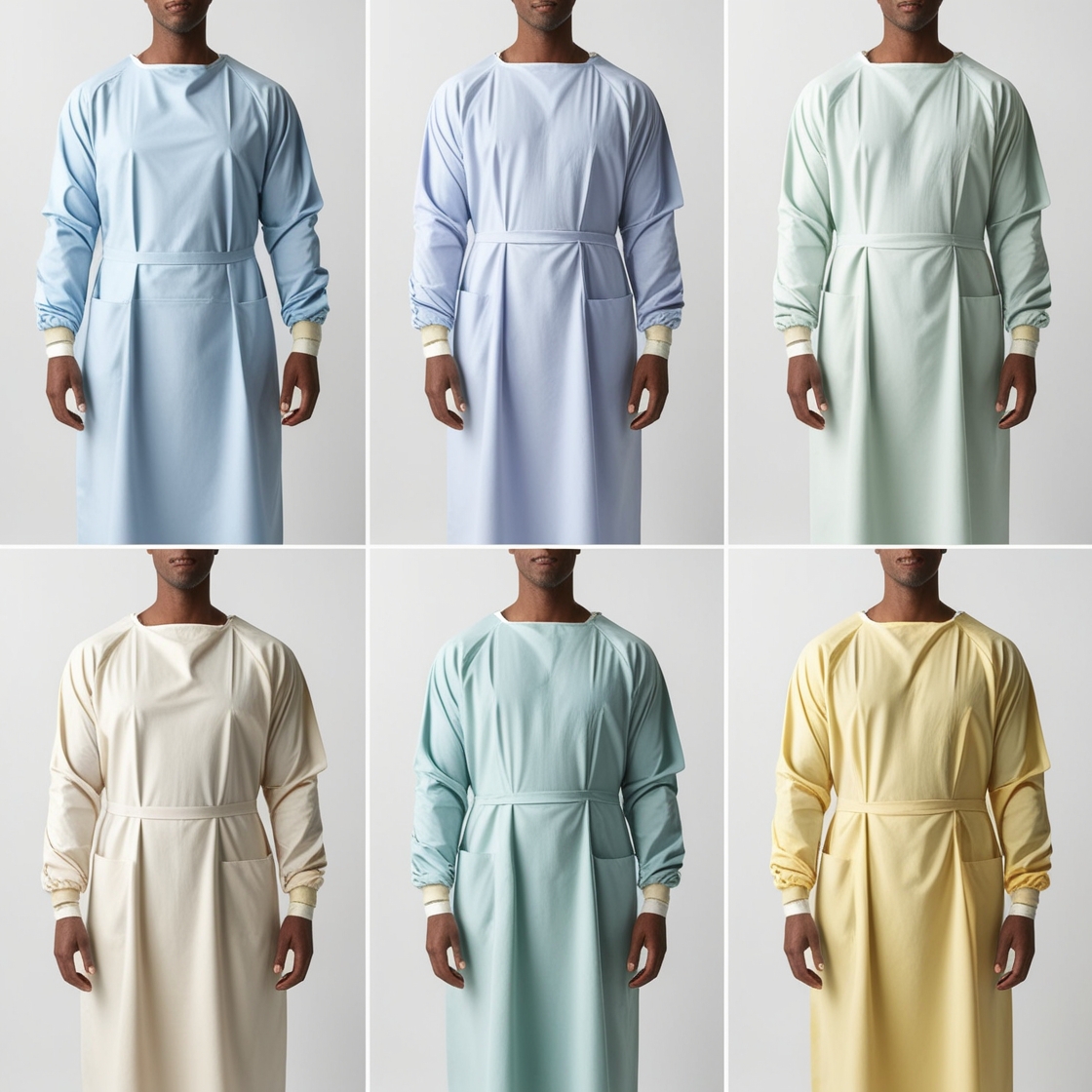
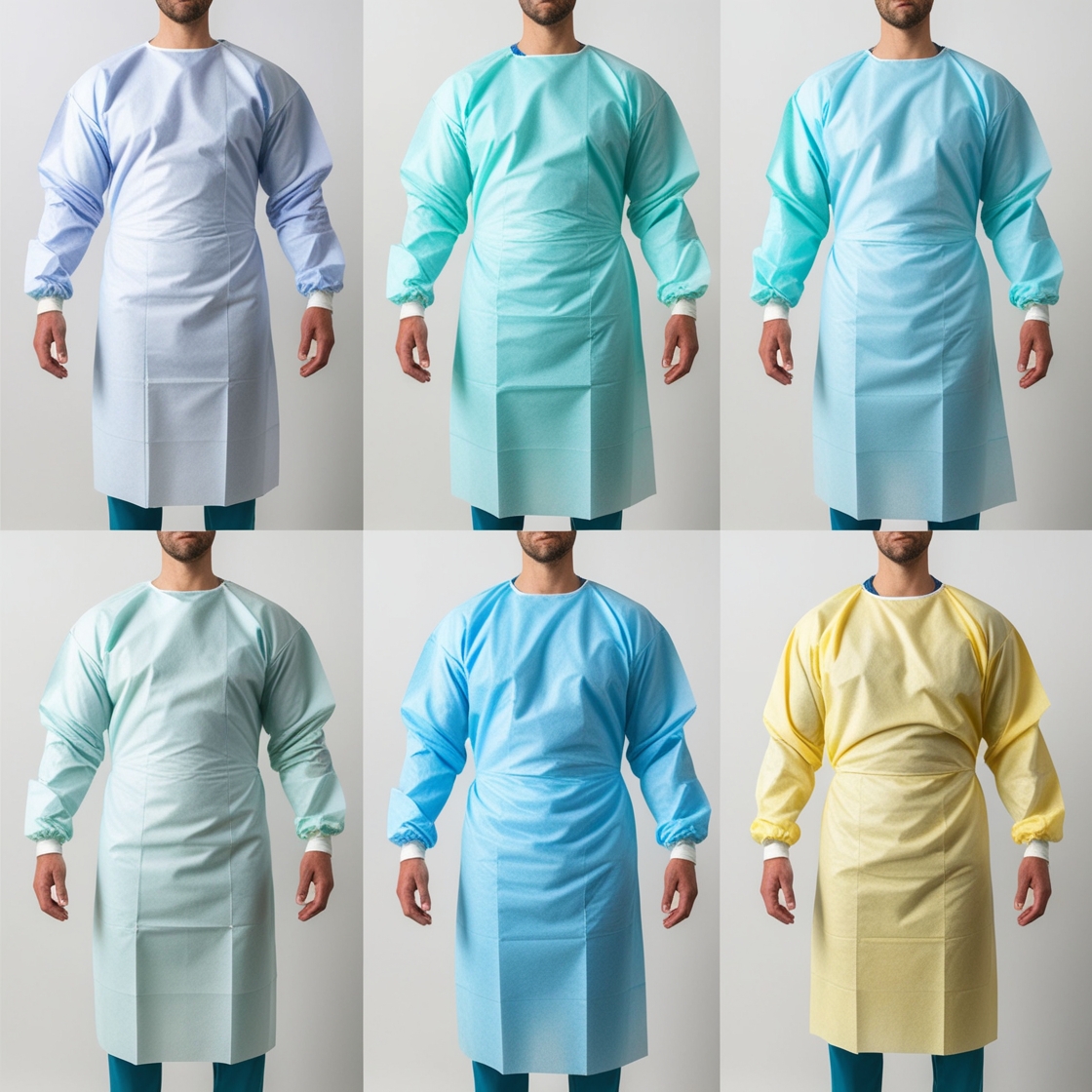
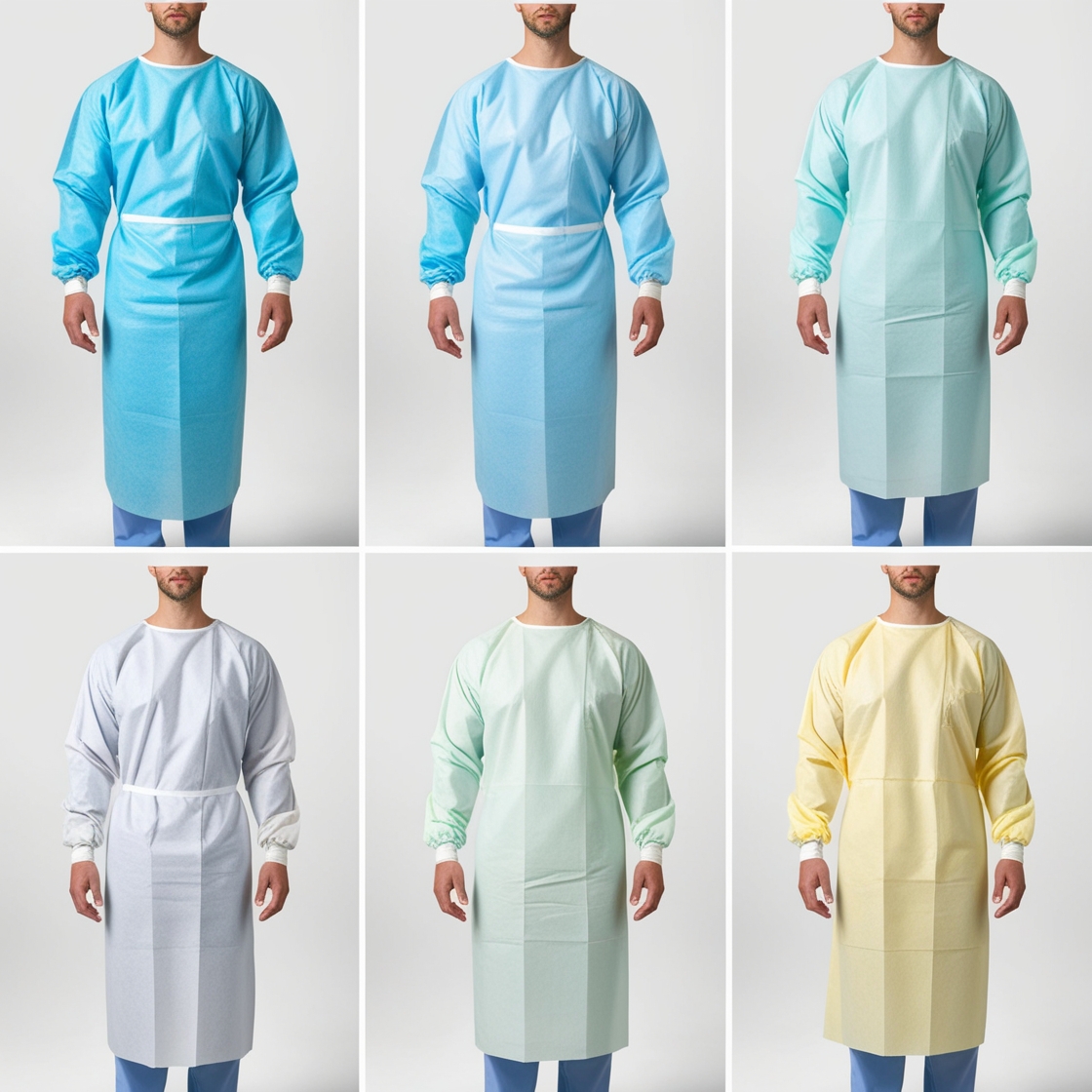
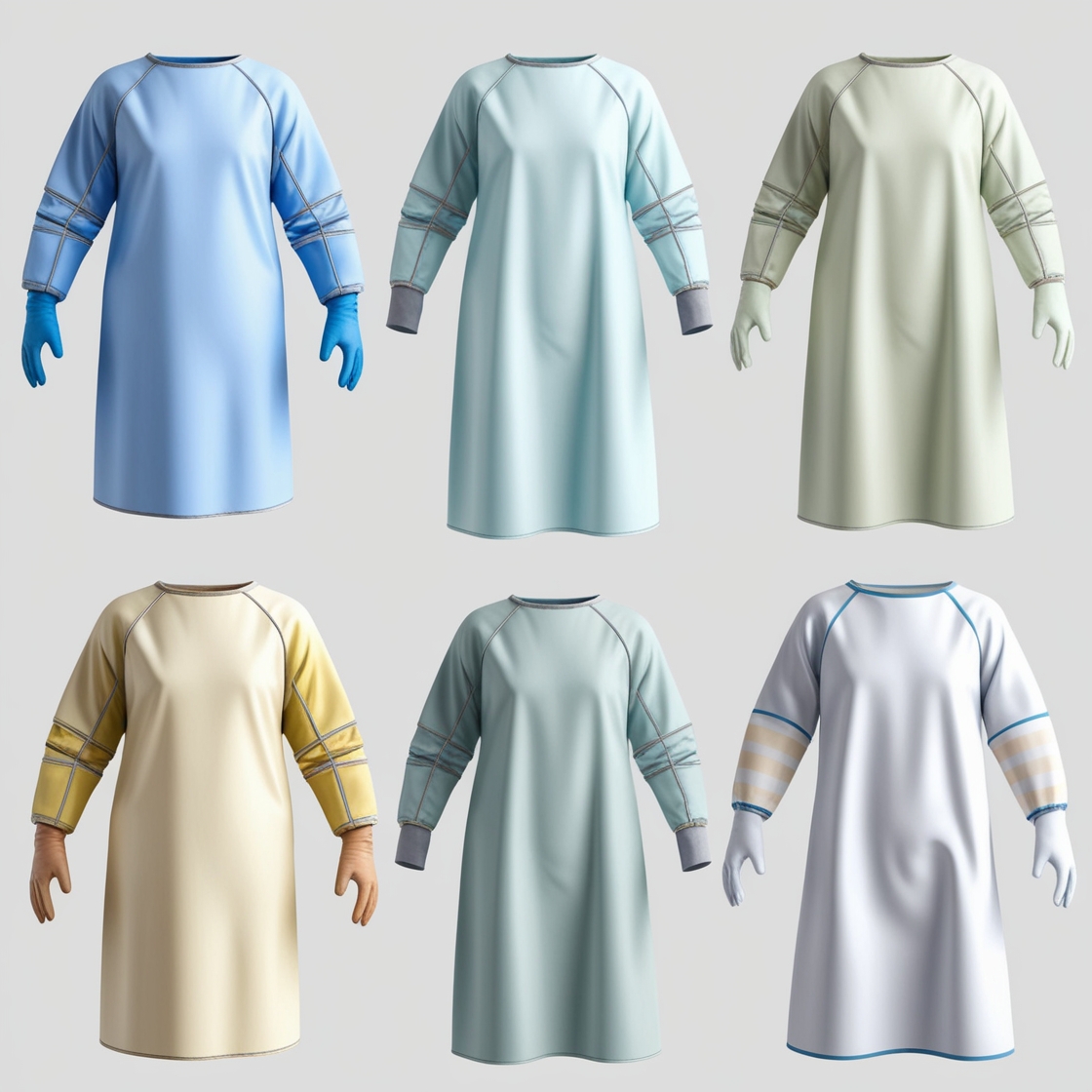




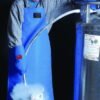
Cryo.Expert Cryo Protection Set – Gloves 700mm L, Face Shield, Apron, and Two Safety Labels
R25,739.00 Ex VAT
Product overview
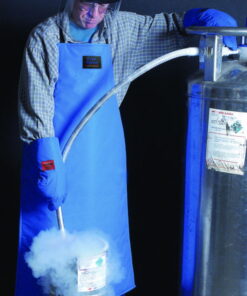
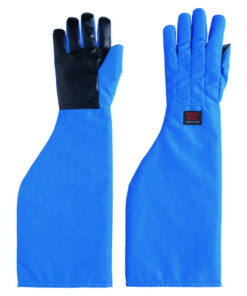
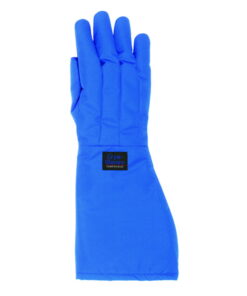
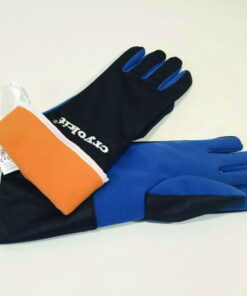
The Cryo.Expert Cryo Protection Set is designed to provide comprehensive protection for professionals working in cryogenic environments. This set includes 700mm cryo gloves (size L), a durable face shield, a protective apron, and two safety labels for clear identification of cryogenic hazards. Ideal for use in laboratories, industrial applications, and research facilities, this PPE kit ensures maximum safety and comfort while handling extremely cold substances like liquid nitrogen.
Key Features:
- Brand: Cryo.Expert
- Set Includes: Gloves (700 mm, size L), face shield, apron, 2 safety labels
- Glove Size: Large (10–10.5)
- Application: Perfect for cryogenic tasks in laboratories and industrial settings
- Protection: Complete PPE for handling cryogenic substances safely
- Compliance: Meets safety and regulatory standards for cryogenic protection
Choose the Cryo.Expert Cryo Protection Set for reliable, comfortable, and safe handling of cryogenic materials in demanding environments.
16 in stock
Product Specifications
- HS Code #62114310
- Cold resistant up to-196 °C
- ColourBlue
- Descriptionshoulder length
- Glove sizeL
- Length700 mm
Related products
R10,260.00 Ex VAT
R15,449.00 Ex VAT
R10,439.00 Ex VAT
R8,112.00 Ex VAT
R10,290.00 Ex VAT
R22,250.00 Ex VAT
R447.00 Ex VAT