
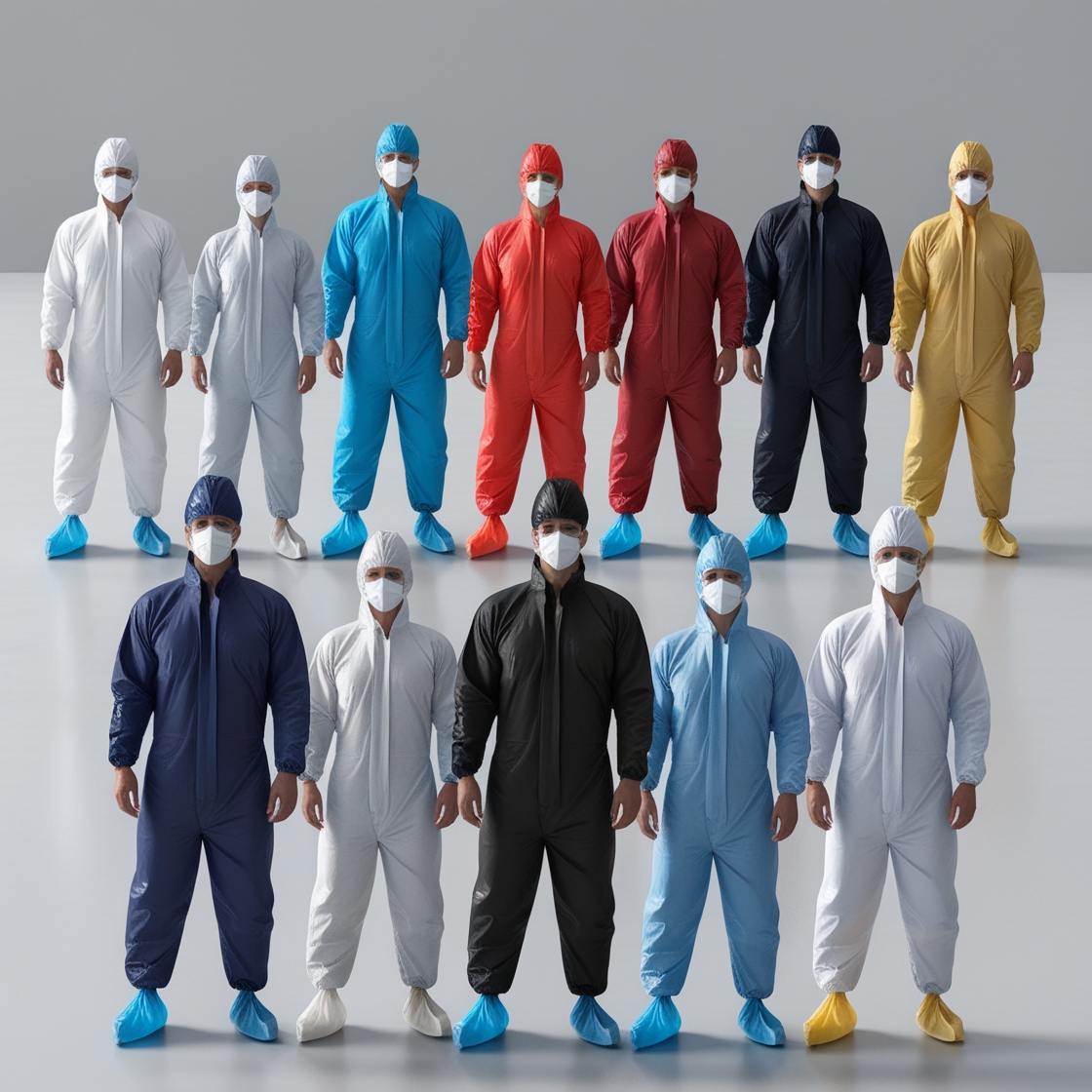

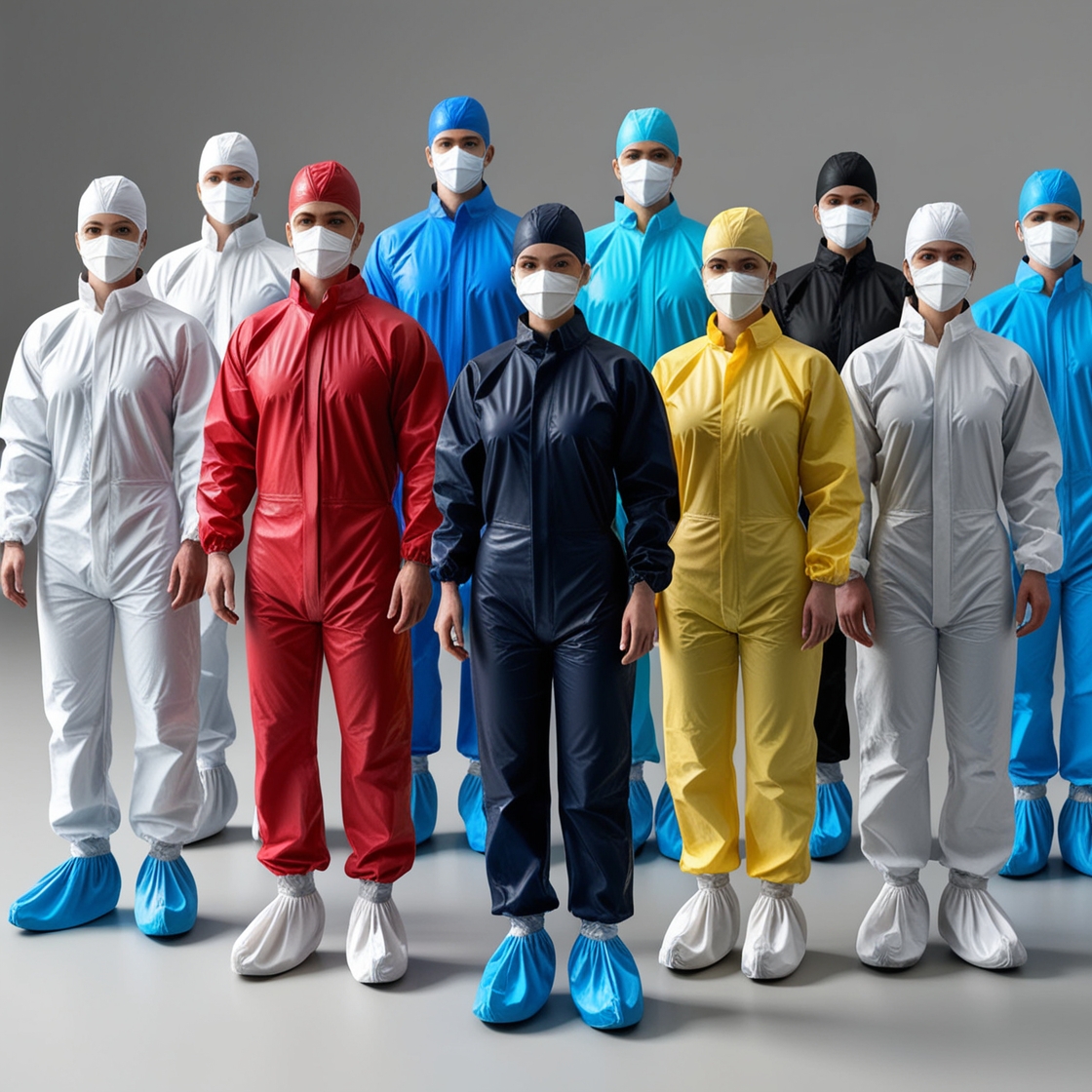
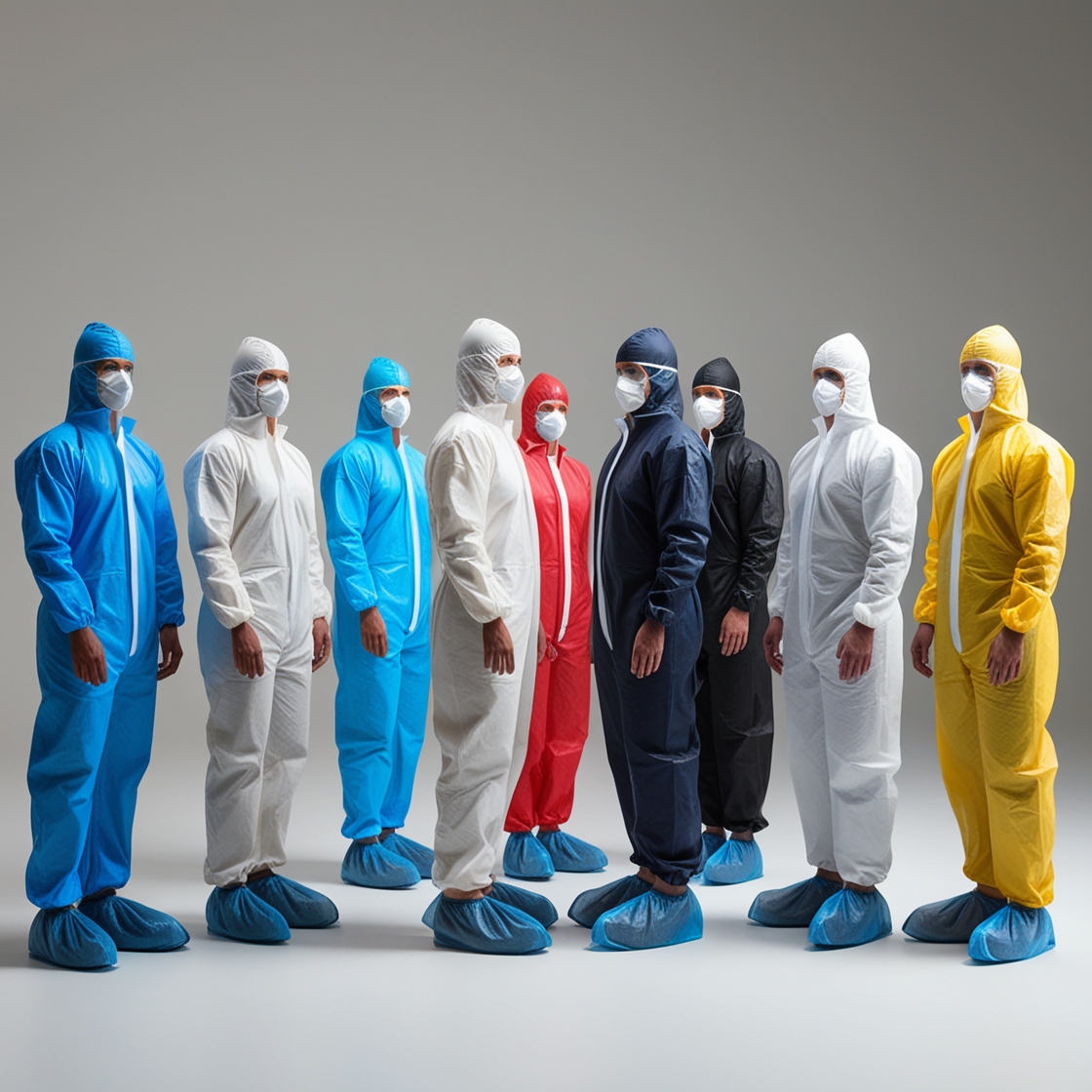
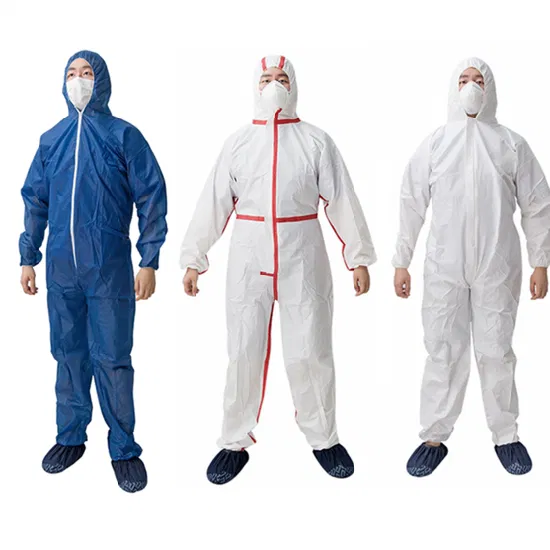
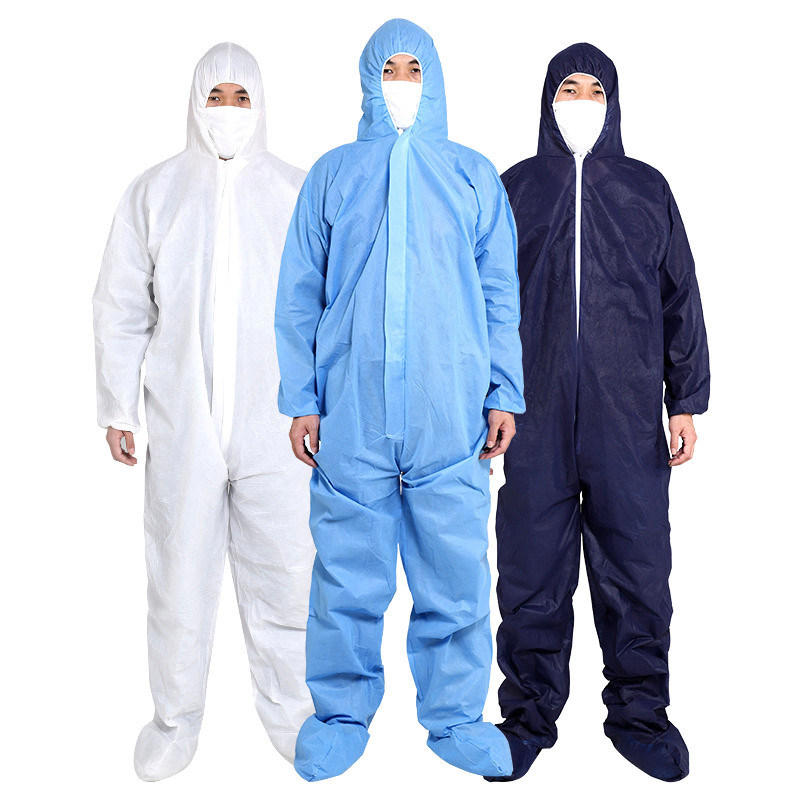
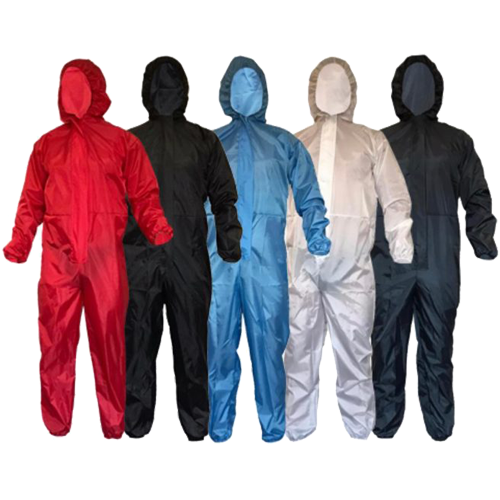

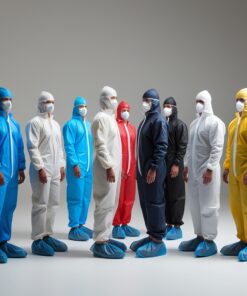
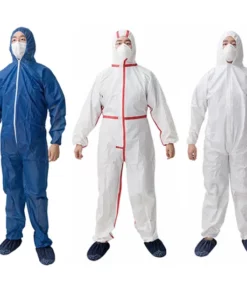
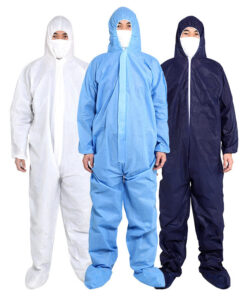
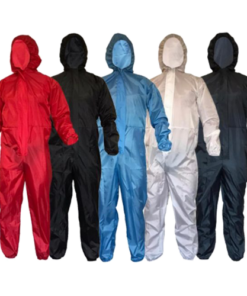

tyvek chemical suit
Types of Disposable Coveralls
Disposable coveralls are protective garments designed for single-use applications in various industries, including healthcare, manufacturing, chemical handling, and construction. They provide a barrier against hazardous substances such as chemicals, dust, biological contaminants, and other workplace hazards. Below are the main types of disposable coveralls:
1. Standard Polypropylene Coveralls
-
Made from lightweight, breathable polypropylene material.
-
Suitable for low-risk environments where basic protection against dirt, dust, and non-hazardous materials is needed.
-
Commonly used in food processing, cleaning, and general maintenance.
2. Microporous Coveralls
-
Made from a combination of polypropylene and polyethylene film.
-
Provides enhanced protection against liquid splashes, light chemicals, and airborne particles.
-
Used in pharmaceutical, laboratory, and industrial environments where moderate protection is required.
3. SMS (Spunbond-Meltblown-Spunbond) Coveralls
-
Constructed from three layers of nonwoven fabric, offering breathability and durability.
-
Offers superior protection against particulates and limited liquid splashes.
-
Commonly used in healthcare settings, cleanrooms, and manufacturing industries.
4. Flame-Resistant Disposable Coveralls
-
Treated with flame-retardant coatings to resist ignition and slow the spread of fire.
-
Used in environments where workers are exposed to sparks, flames, or combustible dust, such as welding, petrochemical, and electrical industries.
5. Chemical-Resistant Coveralls
-
Made from high-density polyethylene or laminated materials for protection against hazardous chemicals.
-
Suitable for handling toxic substances, hazardous waste disposal, and chemical spills.
-
Often used in chemical plants, laboratories, and emergency response situations.
6. Biological and Infectious Disease Protective Coveralls
-
Designed to protect against viruses, bacteria, and bloodborne pathogens.
-
Made from impermeable materials with sealed seams for maximum barrier protection.
-
Commonly used in hospitals, isolation units, and pandemic response teams.
7. Anti-Static Coveralls
-
Manufactured from materials that dissipate electrostatic charges.
-
Prevents static build-up that could damage sensitive electronics or ignite flammable substances.
-
Used in electronics manufacturing, aerospace, and explosive handling environments.
Conclusion
Selecting the right type of disposable coverall depends on the specific hazards present in the work environment. Employers should consider factors such as breathability, chemical resistance, flame resistance, and overall protection level when choosing disposable coveralls to ensure worker safety.
Related products
Hospital Gowns
Hospital Gowns
Hospital Gowns
Hospital Gowns

Hospital Gowns
Hospital Gowns
Hospital Gowns
Hospital Gowns